
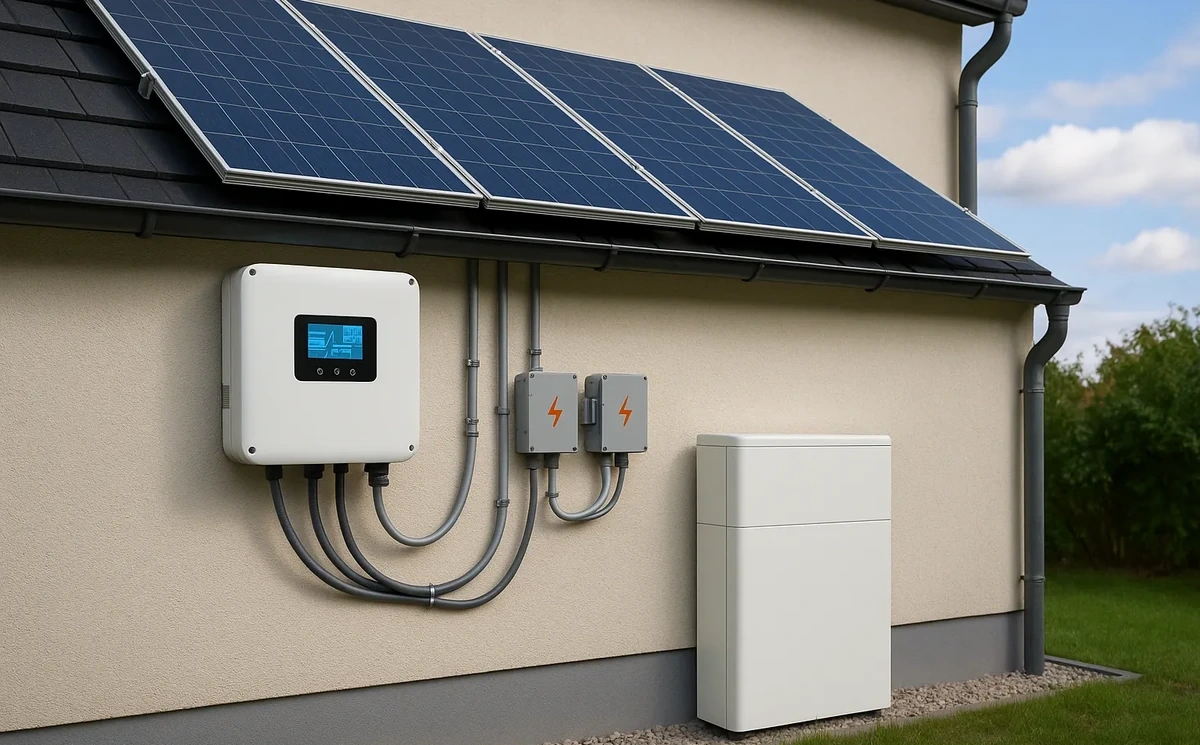
Installing a residential energy storage system isn't just about finding an empty stretch of wall and hanging a unit. Siting a home battery is strictly governed by Victorian electrical safety legislation, strict Australian Standards, manufacturer specifications, and the physical layout of your home.
With the expansion of the Australian Government’s Cheaper Home Batteries Program and state clean-energy incentives, more Victorian households are pairing energy storage with their rooftop panels. However, rapid adoption means compliance is scrutinized more than ever. Energy Safe Victoria (ESV) and Solar Victoria require all residential battery installations to comply strictly with AS/NZS 5139:2019, AS/NZS 4777.1:2024, and the standard wiring rules (AS/NZS 3000:2018).
Whether you're retrofitting a solar panel battery in Melbourne to your existing array or designing a complete system, this guide outlines approved locations, strictly prohibited zones, and mandatory compliance checkpoints.
Safety
Why Siting Matters for Solar Battery Storage
A solar energy battery system stores substantial electrical energy. Siting rules are engineered around life safety, system performance, and property protection:
- Thermal Management: Excessive radiant heat degrades lithium cell chemistry, throttles discharge rates, and invalidates warranties.
- Fire Separation: Clear setbacks are required from non-fire-rated doors, windows, eaves, and combustible cladding.
- Physical Impact Protection: Systems placed near driveways or parking bays require heavy-duty barriers (such as bollards).
- Safe Service Clearance: Dedicated clearance envelopes allow technicians and emergency personnel unhindered access.
- Environmental Sealing: Enclosures must be vermin-proof, tamper-resistant, and out of reach of young children.
Approved sites
Approved Locations for Home Batteries in Victoria
No single location fits every home. When planning a solar installation in Melbourne, clean-energy installers generally evaluate five primary zones:
1. External Brick or Masonry Walls
An external masonry wall is the most common and compliant site for residential solar batteries across Melbourne's suburbs.
- Best Positioning: Shaded southern or eastern side pathways, sheltered rear walls, or external walls directly adjacent to the main electrical switchboard.
- Compliance Checks: Being outdoors doesn't guarantee instant approval. Installers must maintain clearance distances from nearby windows, vents, drainpipes, and gas meters.
- Sun Exposure: Solar Victoria advises against north- or west-facing walls exposed to intense afternoon sun. Extreme ambient temperatures cause thermal throttling, reducing the battery's lifespan.
2. Residential Garages
A garage can provide a controlled environment away from weather extremes, provided key safety criteria are met:
- Crash Protection: If the unit is located within a vehicle movement path, Australian standards mandate mechanical protection, such as heavy-duty steel bollards.
- Clear Working Space: The area cannot double as a general storage dump. It must remain free of cardboard boxes, clutter, and household equipment.
- Non-Combustible Backing: Mounting surfaces often require non-combustible backing sheets (e.g., cement sheet or steel shielding) if backing onto habitable living zones.
3. Covered Carports and Verandahs
A covered carport or breezeway protects equipment from rainfall and mid-day UV exposure while keeping high-voltage hardware outside interior living zones. The space must still maintain proper cross-ventilation, satisfy water ingress ratings (minimum IP ratings per manufacturer specs), and incorporate impact protection.
4. Dedicated External Enclosures
For properties with limited wall space or tight boundary setbacks, a certified, freestanding ground enclosure or kiosk can be installed. These units must be properly grounded, vermin-proof, child-safe, and ventilated according to AS/NZS 5139 standards.
5. Outdoor Utility Areas
Mounting the battery near your existing inverter and main switchboard keeps DC and AC conduit runs short, reducing voltage drop and labor costs. However, proximity to your meter box should never compromise required working clearances.
Restricted zones
Prohibited & Restricted Installation Locations
Safety standards explicitly ban battery installations in several common household areas:
| Location | Status | Key Reason |
|---|---|---|
| Bedrooms & Living Rooms | Strictly Prohibited | AS/NZS 5139 bans batteries in domestic habitable spaces. |
| Attics & Roof Cavities | Prohibited | Melbourne roof spaces exceed 50°C in summer, posing extreme fire and access hazards. |
| Unshaded Metal Sheds | Not Recommended / Restrictive | Extreme heat exposure degrades battery cells and voids warranties. |
| Laundries & Bathrooms | Restricted / Prohibited | High moisture levels, water fixtures, and confined clearance envelopes. |
| Near Combustibles or Gas | Strictly Prohibited | Must maintain strict clearance from gas bottles, meters, and flammable stores. |
Indoors
Can You Install a Battery Inside the House?
No. Solar Victoria and AS/NZS 5139 strictly ban residential battery installations inside domestic habitable spaces, including bedrooms, home offices, dining rooms, and lounges.
Approvals
Switchboard Upgrades, Three-Phase Power, and Grid Approvals
Switchboard Integration
Older Melbourne homes featuring legacy ceramic fuses will need a switchboard modernization with residual current devices (RCDs) and circuit breakers before a battery can be connected safely.
Single-Phase vs. Three-Phase Homes
If your home runs on three-phase power, your installer must align the system with either a dedicated three-phase hybrid inverter or wire designated emergency backup circuits to one specific phase.
Mandatory LEI Inspections
In Victoria, residential battery systems are classified as prescribed electrical work:
- Work must be completed by an installer holding an unrestricted Class A Electrical Licence with Clean Energy Council / Solar Victoria battery accreditation.
- The installation cannot be permanently energized until it passes an independent on-site audit by a Licensed Electrical Inspector (LEI) and receives a Certificate of Electrical Safety (COES).
- Pre-approval must be granted by your local Distribution Network Service Provider (Jemena, CitiPower, Powercor, AusNet, or United Energy).
Checklist
Pre-Installation Site Checklist for Homeowners
To ensure an accurate quote and avoid surprise site variations, prepare the following details for your solar and battery specialist:
- Switchboard Photos: Clear, wide-angle shots of your primary meter box with the door open and closed.
- Existing Solar Details: Photos of the inverter rating label, existing system size, and connection phase.
- Proposed Mounting Wall: Photos showing floor-to-ceiling space, ground surface, and distances to adjacent doors, windows, and gas meters.
- Property Access: Clear access pathways for installation teams and future maintenance.
Choosing the right location protects your investment, ensures compliance with Victorian safety laws, and guarantees smooth sign-off from your licensed electrical inspector.
FAQ
Frequently Asked Questions
Can you install a solar battery inside the house in Victoria?
No. Solar Victoria and AS/NZS 5139 strictly ban residential battery installations inside domestic habitable spaces, including bedrooms, home offices, dining rooms, and lounges.
What are the most common approved battery locations?
External masonry walls, compliant garages with crash protection where needed, covered carports or verandahs, dedicated external enclosures, and outdoor utility areas near the switchboard — provided clearances and manufacturer specs are met.
Do Victorian home batteries need an LEI inspection?
Yes. Residential battery systems are prescribed electrical work in Victoria. They must pass an independent Licensed Electrical Inspector (LEI) audit and receive a Certificate of Electrical Safety before permanent energisation.
Next step
Need Help Choosing a Compliant Battery Location?
Voltaris Energy designs CEC-accredited solar battery systems across Greater Melbourne and Victoria. Book a free site assessment and we’ll confirm the safest compliant location for your property — including switchboard, DNSP, and rebate readiness. You can also read whether a solar battery is worth it in Melbourne.


 Call Us Now